
Best Short Single Player Games Under 10 Hours (Hidden Gems)
Introduction
The modern gaming industry frequently measures the overall value of a software product by the sheer volume of its content. When a major publisher boasts that a newly released open world title contains over one hundred hours of gameplay, the immediate reaction for a busy adult is often pure dread rather than genuine excitement. The contemporary landscape is completely flooded with sprawling maps, endless fetch quests, and live service battle passes that are explicitly designed to monopolize all available free time. Gamers frequently report severe attention span issues when attempting to complete massive role playing games, often abandoning campaigns halfway through because the gameplay loop stretches too thin over dozens of hours.
However, a massive growing movement within the community heavily favors experiences that respect the clock. The true hidden gems of the medium are short single player games that deliver a highly concentrated, unforgettable experience without ever overstaying their welcome. These specific titles cut the generic filler entirely and eliminate repetitive grinding. By focusing completely on tight mechanics and engaging narratives, these concise adventures often leave a far more lasting impression than their bloated counterparts.
Short Single Player Games You Can Finish in One Weekend
Looking for games you can actually finish? Check out our list of short but incredibly sweet single-player titles perfect for a quick weekend playthrough.
Top Hidden Gems Under 10 Hours
Cocoon
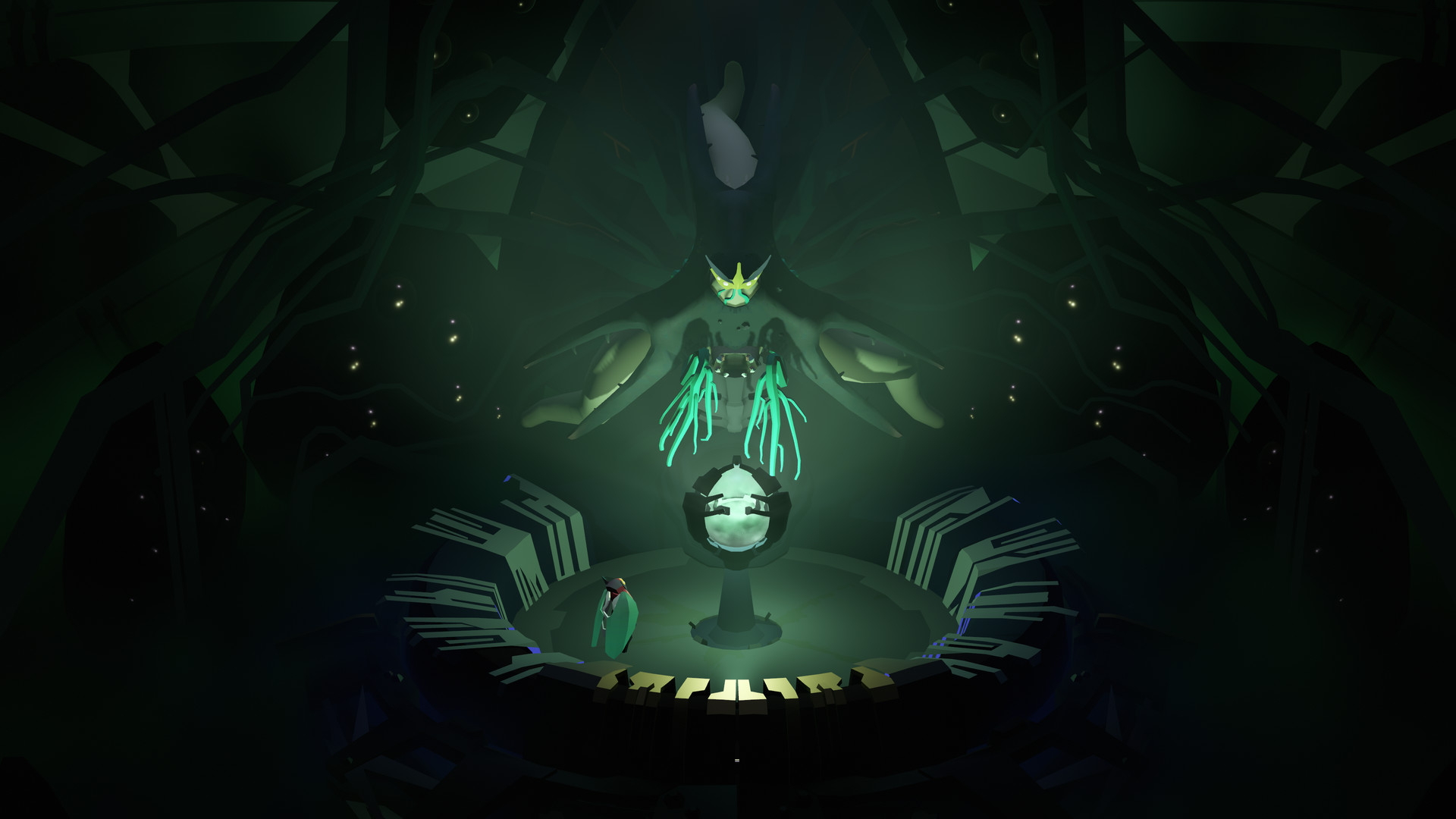
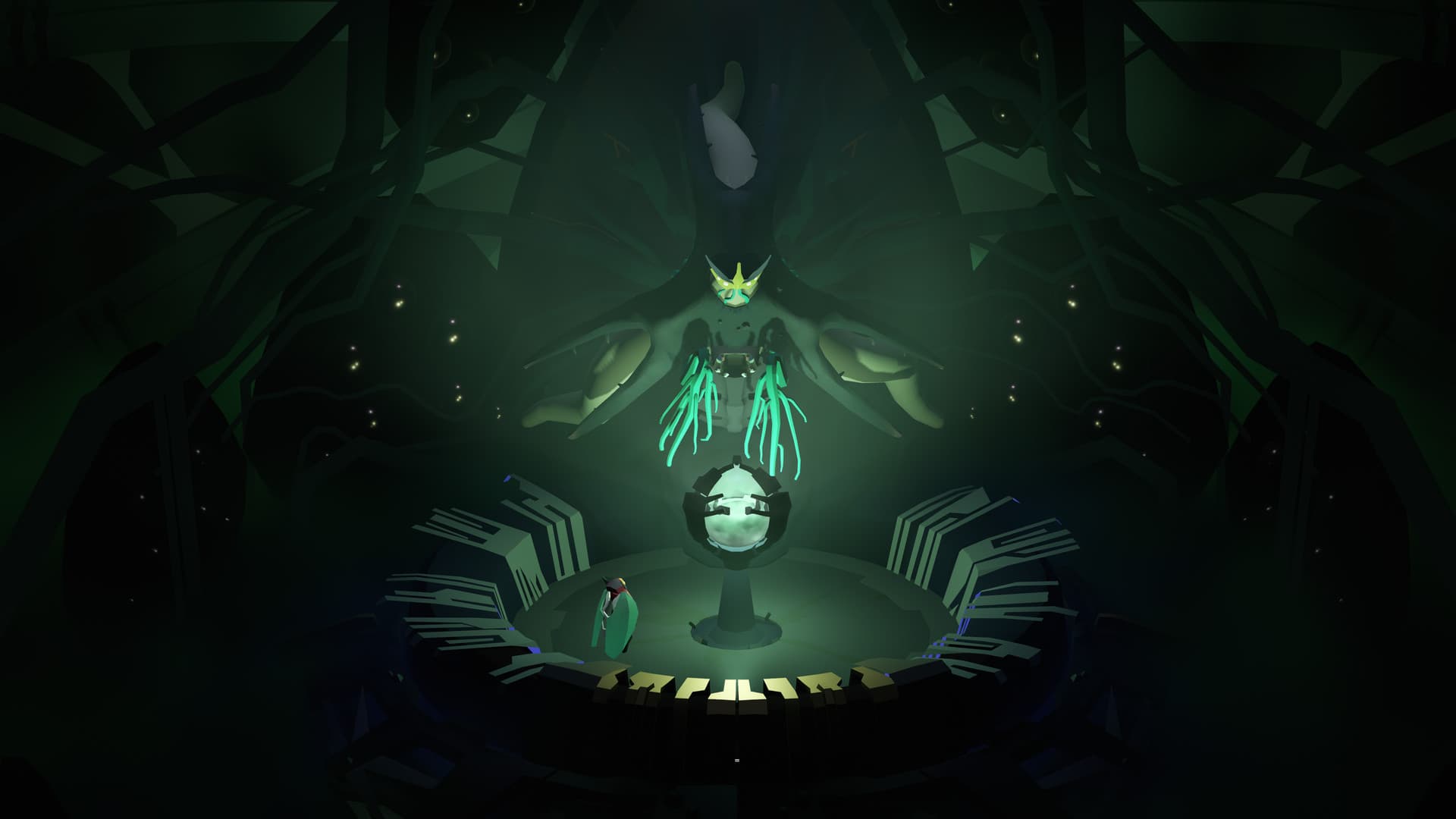
The recursive puzzle adventure known as Cocoon stands firmly as one of the most mechanically perfect experiences in modern gaming history. Developed by Geometric Interactive, the project was directed by Jeppe Carlsen, the acclaimed lead gameplay designer behind the industry defining atmospheric platformers Limbo and Inside. Following his departure from Playdead, Carlsen founded this new studio alongside programmer and composer Jakob Schmid, whose previous work on the rhythm platformer 140 won prestigious awards for audio excellence. Together, they spent five meticulous years crafting a puzzle game that is structurally fundamentally different from anything else on the market.
The core mechanical foundation of Cocoon revolves entirely around the mind bending concept of nesting entire universes within small, portable orbs. The player takes control of a strange insectoid creature tasked with carrying these spheres on its back. The true genius of the design reveals itself when the player realizes they can dive into one orb, solve a puzzle, bring a second orb inside the first, and use the unique environmental properties of each specific world to manipulate the other. This recursive, inception style design loop creates a staggering level of complexity without ever overwhelming the user interface.
Despite the overwhelming critical acclaim and perfect scores, one must be completely honest about its inherent flaws. Reviewers consistently point out that the boss fights, while visually stunning, can become highly tedious. If a player fails a boss encounter, they are violently ejected from the orb and forced to wait for specific damage items to respawn before they can attempt another strike, which severely disrupts the otherwise immaculate pacing. Additionally, the puzzle design is incredibly rigid in its core logic. The developers explicitly note that getting stuck usually means a failure of imagination rather than a mechanical glitch, which can leave players feeling intensely frustrated if they cannot immediately grasp the specific intended solution. The game demands total submission to its specific ruleset, offering zero alternative solutions to its cosmic riddles.
Viewfinder
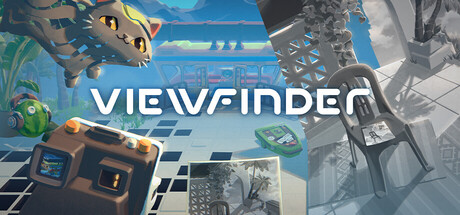
Few video games challenge spatial reasoning quite like Viewfinder, a brilliant first person puzzle game developed by the Scottish team at Sad Owl Studios. The central gameplay loop is nothing short of magical and technically astounding. The player uses an instant analog camera to take photographs of the environment and then stamps those flat pictures directly into three dimensional reality. If a bridge is completely collapsed, the player can take a picture of a flat floor, rotate the photograph vertically, and overlay it onto the gap to create a brand new walking path.
The visual illusion technology seamlessly alters the game world in real time, drawing heavy inspiration from perspective bending classics like Portal and Superliminal. The developers achieved a massive technical feat by allowing players to slice through geometry effortlessly with these photographs. The environments feature gorgeous overgrown gardens and a distinct solar punk aesthetic that makes exploration an absolute visual treat. Each new hub area introduces a slight variation on the core camera mechanics, such as introducing photocopiers or different camera filters, ensuring the puzzles remain incredibly fresh and engaging throughout the brief four hour runtime. The game also features a delightful mechanical cat named CAIT that serves as a charming companion throughout the journey.
However, the narrative execution falls incredibly flat compared to the stellar gameplay. The overarching story involves exploring a virtual simulation left behind by climate scientists desperately searching for a cure to an ongoing ecological crisis. Unfortunately, the dialogue and voice acting often veer into cringeworthy territory, heavily distracting the player from the brilliant puzzle mechanics. The audio logs scattered around the environment feel like generic filler that fails to build a truly compelling mystery. Many players noted that the companion dialogue sounds highly unnatural, reminiscent of the heavily criticized banter found in games like Forspoken.
Thank Goodness You Are Here
Developed by the two person Yorkshire based team at Coal Supper, Thank Goodness You Are Here is best described by its creators as an absurd comedy slapformer. The player takes control of a tiny, bright yellow traveling salesman who arrives early for an important meeting with the mayor in the fictional Northern English town of Barnsworth. To pass the time, the diminutive salesman begins helping the bizarre local residents with a series of increasingly chaotic and surreal odd jobs, ranging from baking a massive pie to traversing the astral plane.
The game was developed essentially backwards compared to traditional software design. James Carbutt and Will Todd treated the project exactly like a sketch comedy show, drawing heavy inspiration from classic British television like Monty Python, The League of Gentlemen, and The Fast Show. Instead of building a core combat loop and fitting a story around it, they wrote hilarious scenarios based on their own voices and then forced the mechanics to accommodate the punchlines. The player interacts with the world almost entirely by slapping objects and people, resulting in chaotic animations and fully voiced, heavily accented Yorkshire dialogue filled with constant double entendres. The visual presentation is gorgeous, utilizing hand drawn animation that perfectly captures the mundane absurdity of a rundown working class town.
While the vibrant art style and cultural satire are widely celebrated, the game is not without significant structural flaws. The absolute lack of guidance or hint systems means the player can easily get stuck simply staring at the screen, entirely unsure of what absurd action the game expects them to perform next. The puzzle solutions rely entirely on wacky cartoon logic, making them highly esoteric and confusing for players accustomed to traditional game design. Additionally, the humor frequently slips from charmingly silly to downright crass, creepy, and unsettling, which may completely alienate audiences looking for a purely wholesome, family friendly experience. The brief two hour runtime ensures the jokes never overstay their welcome, but the lack of mechanical depth leaves the experience feeling closer to an interactive cartoon than a true video game.
Lil Guardsman
Taking heavy mechanical inspiration from the dystopian border control classic Papers Please, Lil Guardsman flips the entire genre on its head by injecting it with high fantasy tropes and lighthearted comedy. Developed by Hilltop Studios, the game places the player in the shoes of a twelve year old girl who must temporarily cover her father's shift at the main castle guard shed.
The core gameplay loop requires the player to deduce whether over one hundred different fantasy characters, including smug elves, scheming goblins, and mysterious wizards, should be granted official entry into the kingdom. The player utilizes a wide variety of tools, ranging from magical truth serums to highly advanced x ray scanners, to uncover hidden contraband and expose intricate lies. The writing is incredibly sharp, featuring excellent voice acting and clever anti capitalist commentary seamlessly woven into the traditional fantasy tropes. Earning a perfect score on a shift requires critical thinking and careful resource management, making the deduction mechanics deeply satisfying. The choices made at the gate have massive ripple effects on the overarching narrative, directly influencing royal marriages and full scale wars.
The consensus among players, however, points to several major pacing flaws. The momentum takes a massive hit during the narrative segments that occur outside the guard shed. The game features traditional point and click adventure elements that suffer from incredibly awkward controls, making physical navigation feel like an absolute chore. These bloated exploration segments severely disrupt the tight momentum of the otherwise fantastic interrogation mechanics, stretching a brilliant core concept slightly too far across its eight hour runtime.
Crow Country
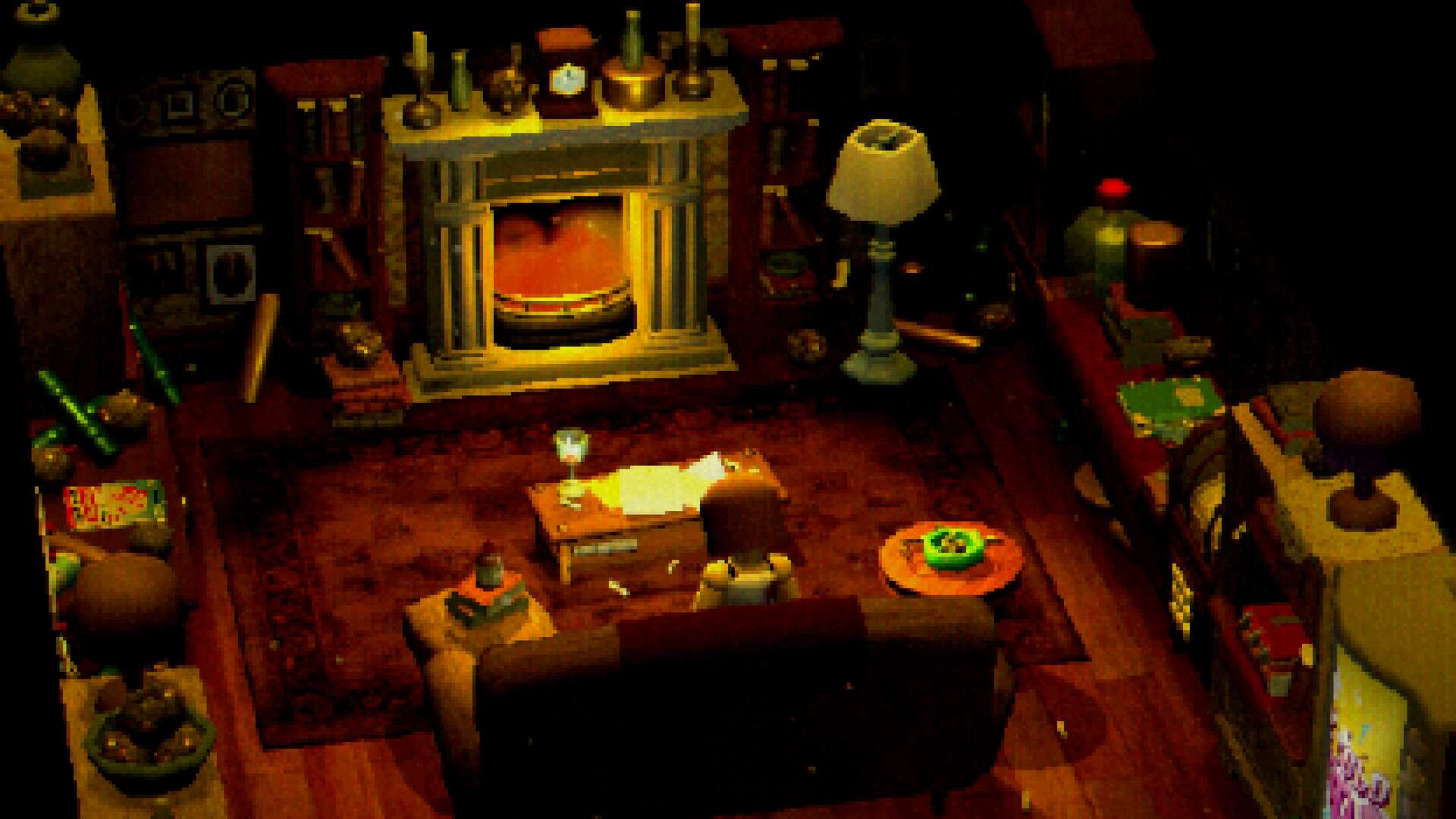
Riding the massive wave of modern nostalgia for the late nineties era of gaming, Crow Country is an absolute triumph of classic survival horror. Developed by SFB Games, a studio founded by brothers Adam Vian and Tom Vian, the project meticulously recreates the atmosphere of early PlayStation classics while introducing modern accessibility and drastically improved controls. The brothers previously found massive success working with Nintendo on the cooperative puzzle game Snipperclips, making their pivot to visceral horror an unexpected but highly welcome surprise.
The narrative follows investigator Mara Forest as she explores an abandoned, decaying theme park near Atlanta in the year 1990. The owner, Edward Crow, has mysteriously vanished, and the park is completely overrun with grotesque, fleshy monsters. The environment is shrouded in a hazy, low fidelity graphical filter that perfectly mimics the look of an old cathode ray tube television. The developers drew heavy inspiration from the interconnected mansion design of Resident Evil, the gloomy psychological themes of Silent Hill, and the chunky, charming polygon character models found outside of combat in Final Fantasy VII.
While the environmental storytelling and puzzle design are universally praised by the horror community, the gameplay mechanics severely divide general audiences. The combat plays like a stripped down version of classic tank control shooters, which many modern gamers find incredibly clunky and frustrating. The puzzle design leans heavily toward the traditional adventure genre, meaning players seeking intense, high stakes action might find the overall pacing far too slow. Furthermore, the game features a dedicated exploration mode that completely removes all enemies, which inadvertently highlights the fact that the actual combat systems are entirely secondary to the exploration and puzzle solving aspects.
Mouthwashing
Developed by Wrong Organ and published by Critical Reflex, Mouthwashing is an absolute masterclass in psychological dread and surreal narrative storytelling. Set in a claustrophobic, retro stylized science fiction environment, the game completely abandons cheap jump scares in favor of a slow, suffocating atmosphere that slowly breaks down the sanity of its stranded characters.
The writing elevates the entire experience from a generic spooky indie game to an unforgettable narrative achievement. The characters are painfully believable, deeply flawed, and incredibly vulnerable. The core tragedy of the plot unfolds through non linear storytelling, forcing the player to read between the lines and actively piece the fragmented timeline together to understand the full horror of the situation. The audio design is incredibly subtle, utilizing low frequency ambient noise to keep the player constantly on edge while exploring the visually disturbing, blood soaked environments.
There is a massive catch, however, regarding the actual gameplay. Mouthwashing offers practically zero meaningful player agency. The gameplay is extremely streamlined, serving only as a basic vehicle to trigger the next narrative sequence. There are no complex puzzles to solve, no dynamic combat systems to master, and no real fail states. It functions much closer to an interactive film than a traditional video game. While the incredible story completely justifies the brief two hour runtime, gamers looking for deep mechanical engagement or replay value will walk away highly disappointed by the lack of interactivity.
Still Wakes the Deep
The Chinese Room has a very long, celebrated history of creating narrative driven walking simulators, and Still Wakes the Deep marks their highly anticipated return to the pure horror genre. Set in 1975, the player assumes the role of Caz McLeary, a Scottish electrician desperately running from his personal problems who finds himself trapped on a collapsing oil rig in the middle of the freezing North Sea.
Powered by the latest iteration of Unreal Engine 5, the visual presentation is nothing short of breathtaking. The development team achieved near photo realistic graphics, perfectly capturing the terrifying scale of the violent ocean storms and the claustrophobic terror of the decaying industrial facility. The voice acting is entirely authentic, grounding the bizarre cosmic horror elements in a gritty, believable reality. Treating the game like a premium television mini series makes for an incredibly cinematic evening.
Despite the incredible aesthetic achievements, the gameplay loop is fundamentally broken by excessive, insulting hand holding. The developers painted nearly every interactive ledge, door, and intended pathway with bright yellow paint. This highly controversial design choice completely obliterates any sense of organic exploration, reducing the experience to a highly linear theme park ride. The player is never allowed to deviate from the intended path or figure out a spatial solution independently. Additionally, the stealth sequences and monster encounters are entirely scripted events, meaning the tension evaporates completely the moment the player realizes they are never in any organic, dynamic danger. The lack of gameplay depth makes it difficult to recommend at full price, though it remains a stunning visual showcase.
Before Your Eyes
GoodbyeWorld Games created something entirely unprecedented with Before Your Eyes, a first person narrative experience controlled almost entirely by the player's physical eyes. Utilizing a standard webcam or a virtual reality headset, the software tracks the actual blinks of the user to directly progress the story. The initial concept began as a college project by founder Will Hellwarth, eventually evolving into a fully fledged commercial release under the creative direction of Graham Parkes.
The narrative follows the life of Benjamin Brynn immediately after his passing, as his soul recounts his memories while traveling toward the afterlife on a mystical boat. The blinking mechanic serves as a brilliant, heartbreaking metaphor for the fleeting nature of life and time. No matter how desperately the player tries to keep their eyes wide open to savor a beautiful memory of childhood or a first kiss, biology eventually forces a blink, instantly jumping the timeline forward. The developers meticulously tuned the pacing, adding a visual metronome to clearly indicate when a blink would trigger a time jump, dramatically increasing the emotional tension during critical scenes.
However, the massive ambition of the technology sometimes exceeds its actual execution. The eye tracking calibration can frequently glitch or lose focus, particularly if the lighting in the physical room is not perfectly optimal, which violently breaks the immersion. Furthermore, a deep thematic disconnect bothers some players. Because the mechanic forces the player to skip through time, they often find themselves rushing past joyous moments while being forced to stare unblinking at highly uncomfortable, tragic arguments. This forces the player to physically endure emotional pain, which feels highly counterintuitive to human nature and has been criticized as slightly manipulative.
Sheepy A Short Adventure
Originally designed and funded by the highly popular music curator MrSuicideSheep, Sheepy A Short Adventure is a stunning free to play platformer. The player takes control of an abandoned plush toy that has been magically brought to life, exploring a forgotten, broken, subterranean world.
The overall production value is absolutely staggering for a free independent release. The pixel art graphics are exceptionally detailed, and the platforming controls are highly intuitive and incredibly smooth. Unsurprisingly, the original soundtrack is an absolute masterpiece, featuring incredible music created by artists like Yoe Mase and Hahlweg, weaving seamlessly into the environmental storytelling. The dark atmosphere channels the absolute best elements of beloved atmospheric platformers, providing a deep sense of melancholic wonder without demanding a massive time investment.
The only honest criticism consistently leveled against the project is its incredibly brief runtime. The game can easily be completed in under an hour by an experienced gamer. The environmental lore hints heavily at a much darker, complex mythological background that is simply never fully explored. The player is left desperately wanting more content, making the project feel much more like a highly polished promotional tech demo than a fully realized, standalone campaign.
Minami Lane
For gamers looking to completely eliminate stress from their evening, Minami Lane offers a delightful, highly concentrated management simulation experience. Developed by Doot, alongside collaborators Blibloop and Zakku, the game tasks the player with managing and upgrading a small, highly stylized Japanese street.
The core mechanics involve constructing new buildings, carefully adjusting the recipes for local boba shops to satisfy specific town demographics, picking up trash to keep the area pristine, and petting the adorable stray cats that wander the pavement. The visual style is overwhelmingly cute, featuring pastel colors and soft animations. The financial management systems are designed specifically to be highly forgiving. The player never has to worry about aggressive financial ruin or failing a level due to bankruptcy, allowing them to focus entirely on creating an aesthetically pleasing, harmonious neighborhood.
The extreme simplicity is a double edged sword. The main structured campaign consists of only five short missions, which can be easily cleared in roughly three hours. Once the main objectives are finished, the endless sandbox mode reveals a severe lack of mechanical depth. There are no complex late game economy systems to master, no intricate supply chains to manage, and no major random events. This means there is absolutely zero incentive to continue playing once the credits roll, making it a very brief, albeit charming, diversion.
Short Story Games You Can Finish in Under 3 Hours
Looking for a quick narrative fix? Our list of short story games under 3 hours is perfect for an evening of gaming.
The Future of the Short Experience
The accumulated evidence suggests that the gaming industry is reaching a critical tipping point regarding content bloat. While massive open world titles will always have a dedicated, hardcore audience, the sheer volume of games releasing every single week means that the average consumer simply cannot commit one hundred hours to every major release.
Short single player games represent a vital return to focused, auteur driven game design. By strictly constraining the runtime, developers are explicitly forced to eliminate repetitive mechanics and focus entirely on polishing the core interactive loop. The titles analyzed in this report demonstrate that a game does not need to consume an entire month of free time to leave a lasting emotional or intellectual impact. In fact, the tight pacing often results in a far superior narrative structure. The hidden gems of the industry are no longer the games boasting endless procedural generation, but rather the handcrafted, meticulously designed experiences that respect both the intelligence and the schedule of the player.
Frequently Asked Questions
What officially defines a hidden gem in the gaming industry?
A hidden gem typically refers to a highly polished, critically acclaimed video game that failed to achieve massive mainstream commercial success upon its initial release. These titles are often developed by smaller independent studios lacking massive marketing budgets, meaning they rely entirely on positive word of mouth within niche community forums to find their audience.
Are short video games worth the full purchase price?
The overwhelming consensus among experienced gamers is that value should always be measured by the density and quality of the experience rather than the raw number of hours played. A highly concentrated, deeply emotional four hour narrative often provides a far more memorable return on investment than a fifty hour game heavily padded with repetitive fetch quests. Furthermore, the vast majority of short indie games launch at a significantly lower price point than massive blockbuster titles, making them highly cost effective entertainment.
How can a player avoid using an online guide when playing these shorter puzzle titles?
Many players express immense frustration at having to pause a game to search online forums for puzzle solutions. The best short single player games mitigate this issue through intuitive, invisible design. Titles titles like Cocoon are specifically engineered to teach the player the mechanics organically through visual cues, completely eliminating the need for external wikis or text heavy tutorials.
Which gaming platforms are best for discovering these underrated titles?
While the PlayStation 5 and Xbox Series X digital storefronts feature excellent curated sections, the PC ecosystem remains the absolute best platform for discovering hidden gems. Platforms like Steam allow tiny independent developers to publish unique, experimental software without the massive overhead costs associated with physical console releases. Additionally, the Nintendo Switch serves as a perfect companion device for these short titles, as the portable nature of the hardware is ideally suited for completing a two hour narrative in a single sitting on the couch.
You May Also Like
Best Budget Hall Effect Keyboards in 2026 (Under $50)
Discover the best budget Hall Effect keyboards under fifty dollars in 2026. Read our honest, in depth analysis of performance, build quality, and software features of the top six magnetic switch boards.

Best Gaming Laptops at Every Budget $900 to $3000 for 2026 Guide
Buying a gaming laptop in 2026 is an absolute minefield. We review the six absolute best gaming laptops from Acer, Lenovo, Alienware, ASUS, and MSI spanning budget to enthusiast tiers.
Best PC Games for 8GB RAM in 2026 (Low Spec PCs)
Is 8GB of RAM enough for gaming in 2026? Discover the best PC games that run smoothly on 8GB RAM rigs, from indie masterpieces to optimized AAA titles and competitive shooters.