
Games That Help You Unwind Before Sleep
Introduction
The modern evening routine is frequently defined by glowing screens and persistent digital connectivity. Conventional wisdom often suggests abandoning all digital devices before bed, but an emerging body of research and a massive cultural shift within the gaming community point toward a more nuanced reality. Video games have evolved entirely beyond adrenaline fueled competitive arenas into sophisticated interactive spaces designed specifically for relaxation, mental restoration, and stress relief. The global gaming audience, now exceeding three billion people, is increasingly seeking out titles that offer a sanctuary from the anxieties of daily life.
The transition from high stakes action games to cozy gaming represents a fundamental change in how players interact with digital media. Winding down before sleep requires the brain to shift from an active problem solving state into a passive resting state. Slow paced gameplay, calming ambient music, and low pressure environments provide the perfect bridge between a chaotic workday and a restful night. Instead of keeping the mind racing, the right digital experiences can actively lower heart rates, reduce physiological stress, and prepare the body for the sleep cycle. The key lies in understanding which specific mechanics and aesthetic choices transform a game from a source of stimulation into a powerful tool for relaxation.
Relaxing Games With No Combat
Looking for more stress-free games? Check out our list of the best relaxing games that focus on peaceful exploration without any combat elements.
Best Games to Help You Unwind Before Sleep
The landscape of cozy gaming has exploded in recent years, offering a diverse array of experiences tailored for relaxation. The following titles represent the pinnacle of stress reducing game design, each utilizing unique mechanics to foster absolute tranquility.
Stardew Valley
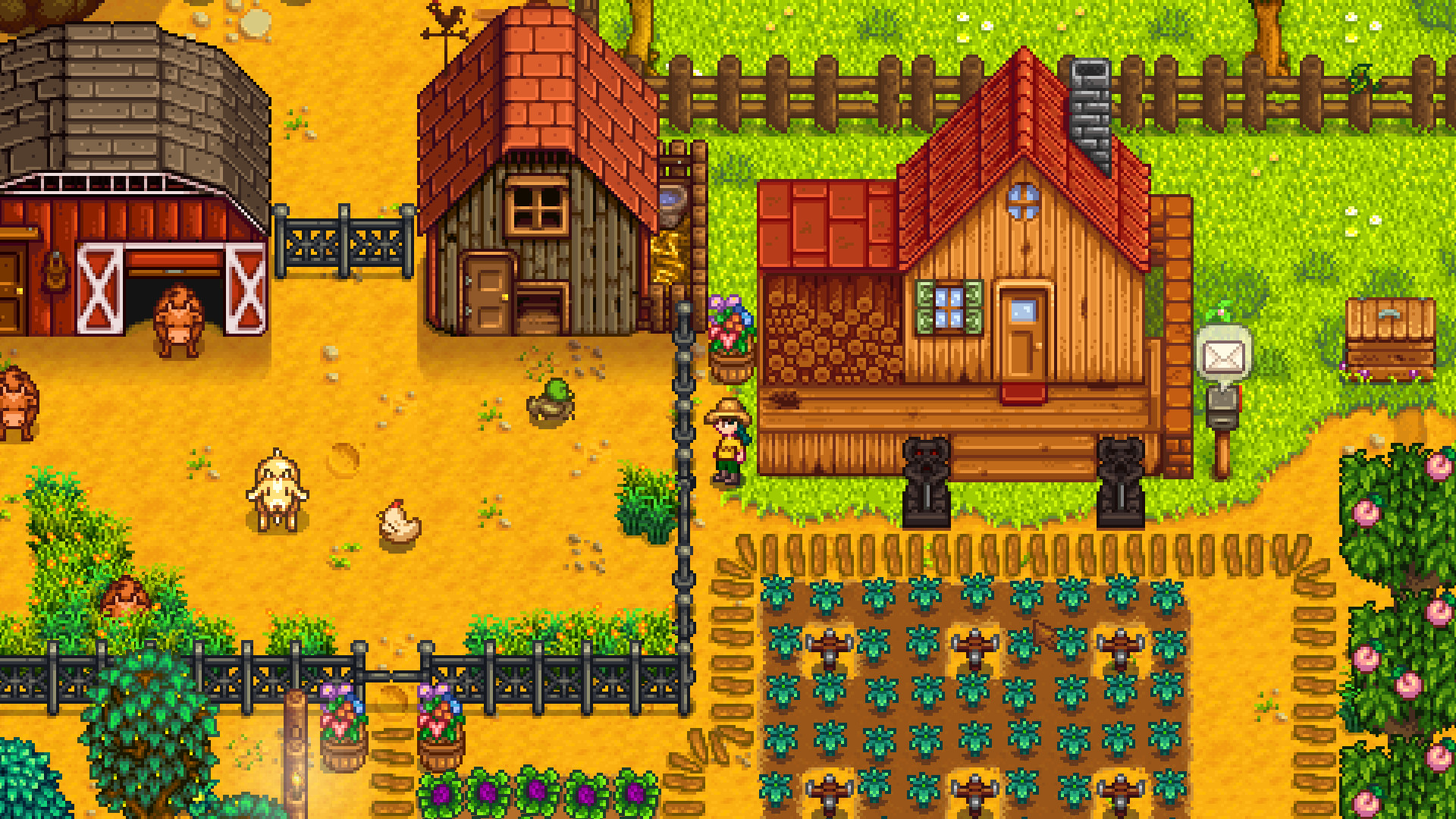
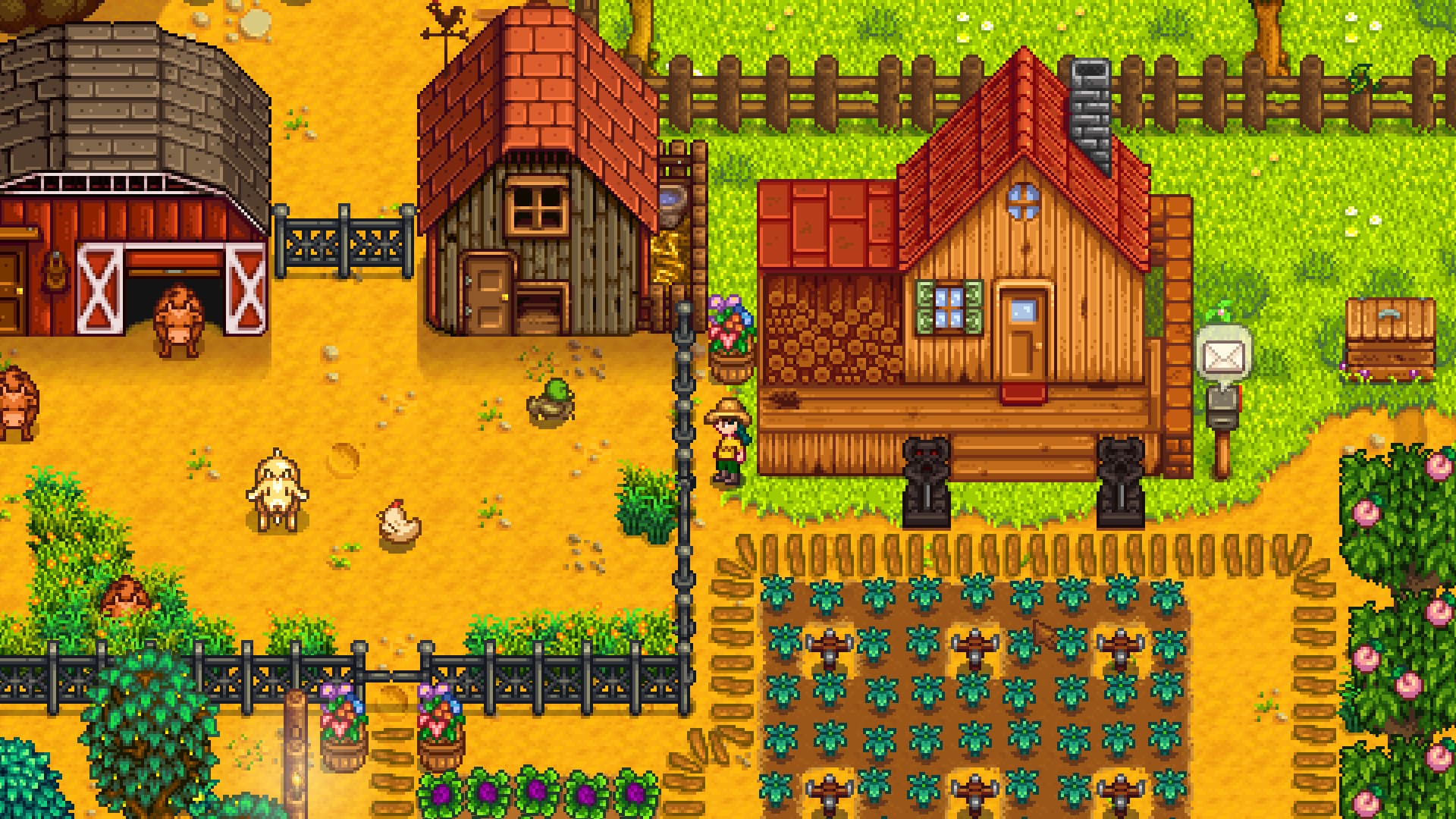
Stardew Valley remains the undisputed champion of the modern cozy genre. Players inherit a run down plot of land and are tasked with building a thriving farm, cultivating crops, and integrating into a vibrant local community.
The relaxing nature of this game stems from its incredible predictability and player autonomy. While there is a day and night cycle, players face zero pressure to optimize their time. The rhythmic actions of tilling soil, watering plants, and harvesting crops provide a profoundly satisfying loop of soft fascination. The seasonal music shifts dynamically, offering a gentle auditory backdrop that signals the passage of time without inducing panic. Furthermore, the game continues to evolve as a comforting space. The highly anticipated version one point seven update promises to add beloved characters Clint and Sandy as marriage candidates, ensuring the community remains deeply engaged with the wholesome narrative. The solo developer maintains a relaxed pace for these updates, mirroring the exact ethos the game promotes.
Animal Crossing New Horizons

Animal Crossing operates on a real time clock, meaning the game world mirrors the actual time of day in the player's physical life. When logging in at night, the virtual island is dark, the music transitions into a sleepy minimalist arrangement, and the digital inhabitants are either preparing for bed or taking quiet strolls.
This synchronization with the real world makes it an ideal bedtime companion. The gameplay loop involves gentle tasks such as catching moths, fishing in the moonlight, and arranging furniture. There are no overarching threats, no combat, and no urgent quests anywhere to be found. The slow pacing effectively forces the player to slow down their own internal rhythm, making it the perfect digital decompression chamber after a stressful day at work or school.
Unpacking
Unpacking is a masterclass in environmental storytelling and spatial organization. The premise is brilliantly simple. Players open cardboard boxes and place everyday items into a new room.
This game reduces anxiety by tapping directly into the human desire for order. Turning the chaotic process of moving into a living puzzle satisfies the brain's craving for completion and tidiness. There are no scores, no timers, and no penalties for taking too long. The narrative unfolds entirely through the objects themselves, allowing players to piece together the protagonist's life journey from a childhood bedroom to a shared apartment. The tactile sound design, featuring the distinct clicks and thuds of placing objects on different surfaces, acts as a powerful auditory trigger that lulls the mind into a state of absolute calm.
Coffee Talk
Set in a fantasy version of Seattle where elves, orcs, and humans coexist, Coffee Talk places the player behind the counter of a late night cafe.
The game is a visual novel heavily focused on narrative and atmosphere. Players listen to the socio economic and personal struggles of their patrons while brewing warm beverages. The gameplay mechanics branch subtly based on the ingredients chosen and the latte art created, completely removing the stress of traditional dialogue trees. Accompanied by an endless loop of lo fi chill beats and the persistent sound of digital rain hitting the cafe windows, the game perfectly replicates the comforting isolation of a midnight coffee shop. It invites players to absorb gentle stories and practice empathy without any real world stakes.
Gris
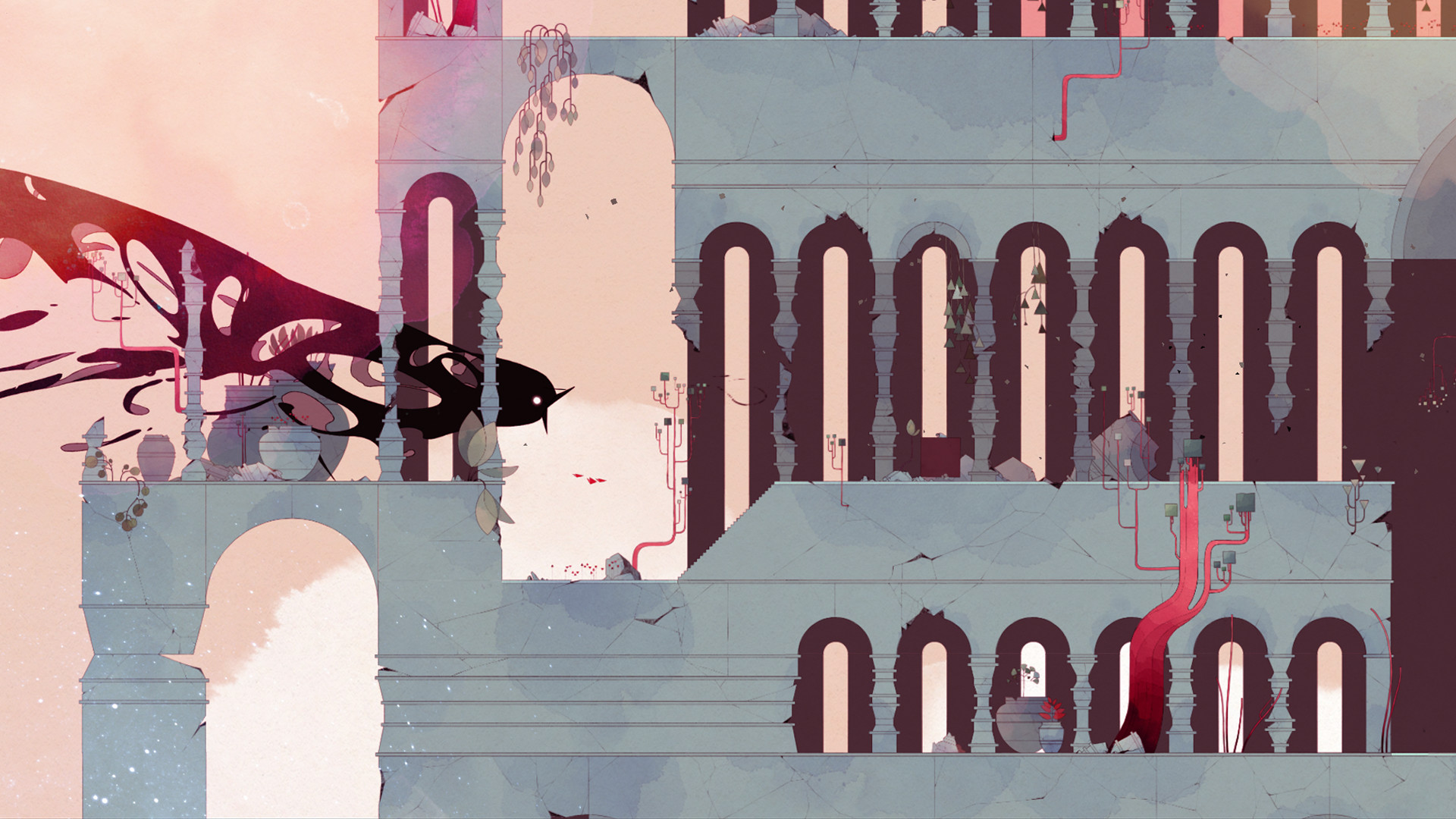
Gris is less of a traditional platformer and more of an interactive piece of watercolor art. Developed by Nomada Studio, the game serves as a profound meditation on the five stages of grief.
What makes Gris exceptional for sleep preparation is its absolute lack of danger. There are no enemies, no health bars, and no death states anywhere in the experience. Players guide a young woman through a breathtaking landscape, restoring color to a monochromatic world as the protagonist heals. The color palette shifts from the greys of denial to the warm yellows of acceptance. This visual journey is elevated by a sweeping emotional soundtrack composed by the band Berlinist. The seamless integration of music and fluid animation provides an incredibly cathartic experience, allowing players to process complex emotions in a safe beautiful environment.
Dorfromantik
Dorfromantik is a peaceful building strategy game where players create ever expanding village landscapes by placing hexagonal tiles.
Developed by Toukana Interactive, this title relies heavily on the principles of soft fascination. While there is a scoring system based on matching tile edges, the game can be played purely for the joy of aesthetic creation. The art style is dreamlike, and the soundscape is filled with serene nature sounds, from rustling leaves to gentle water currents. The low stakes puzzle solving occupies the logical centers of the brain just enough to prevent anxious rumination, making it an excellent palate cleanser before attempting to sleep.
PowerWash Simulator
While a game about industrial cleaning might sound like a chore, PowerWash Simulator has garnered massive praise for its anxiety reducing gameplay. Players are tasked with cleaning exceptionally dirty vehicles, playgrounds, and houses using a high pressure water hose.
The relaxation mechanism here is pure visual satisfaction. Slowly erasing grime to reveal bright colors underneath triggers a continuous loop of dopamine release. The white noise generated by the virtual water sprayer serves a dual purpose, masking distracting background sounds much like a physical white noise machine. Reviewers frequently describe the experience as a form of digital meditation, where the simple focused task of cleaning completely overrides the complexities of a stressful workday.
Abzu
Abzu excels at inducing a profound state of flow. Players explore a vibrant stylized underwater ocean, interacting with majestic marine life.
There are no oxygen meters to worry about, no sea monsters to fight, and no urgent objectives to complete. The game relies entirely on fluid movement mechanics and a majestic orchestral score composed by Austin Wintory to guide the emotional arc. The sensation of swimming effortlessly through kelp forests or grabbing onto the fin of a massive whale provides an unparalleled sense of psychological escape. It perfectly embodies the being away aspect of Attention Restoration Theory, allowing the brain to completely detach from reality.
Flower
Flower shares a creative lineage with Abzu through art director Matt Nava. In this incredibly unique experience, players control the wind itself.
By gathering a flurry of flower petals across sprawling landscapes, players restore life and color to a gray industrial world. The game utilizes motion controls to create a sweeping joyful sensation of flight. There are no fail states and no complex button combos to memorize. The entire experience is built around the feeling of harmony and natural restoration. Playing a few levels of Flower serves as an incredible mental reset, sweeping away the cognitive clutter accumulated throughout the day.
A Short Hike
A Short Hike condenses the joy of an open world adventure into a bite sized stress free package. Players control a bird named Claire, tasked simply with reaching the summit of Hawk Peak Provincial Park to get cell phone reception.
The brilliance of this game lies in its complete lack of urgency. The path to the summit is filled with quirky characters, hidden treasures, and optional side activities like fishing or playing beach stickball. There is no fall damage, allowing players to soar peacefully from the highest peaks down to the sandy shores below. The gentle dialogue and pixelated nostalgic aesthetic create a deeply comforting atmosphere. Exploring the island at a leisurely pace serves as a perfect mental decompression routine.
Spiritfarer
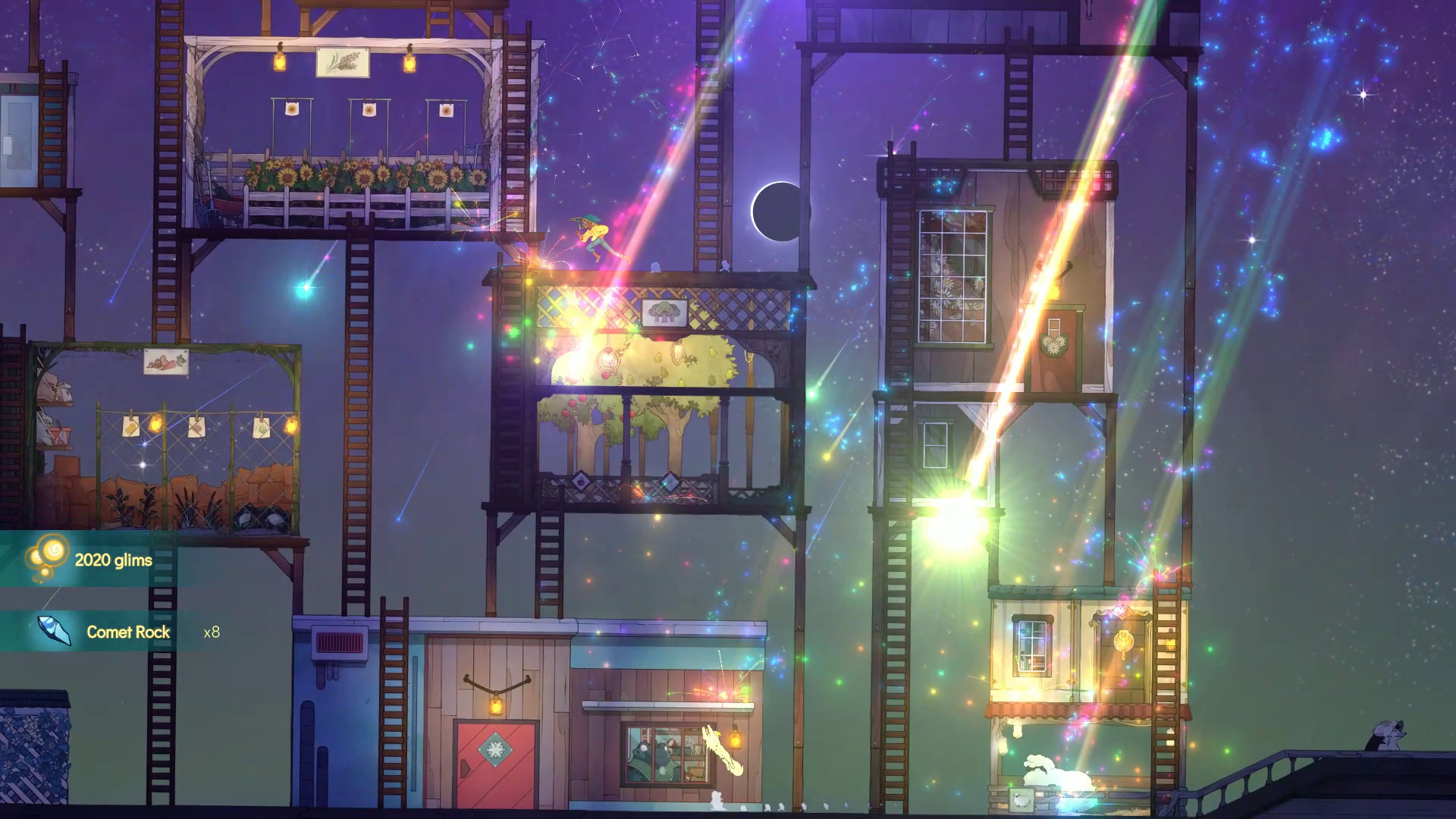
Spiritfarer approaches the heavy topic of death with unprecedented grace and warmth. Players take on the role of Stella, a ferrymaster for the deceased, tasked with building a boat to explore the world, caring for spirit friends, and eventually releasing them into the afterlife.
Despite the emotional weight of its themes, the gameplay loop is incredibly relaxing. Managing the ship involves farming, mining, fishing, and cooking, all executed without rigid time constraints. The game teaches acceptance and letting go, which are emotional skills that translate perfectly to the process of falling asleep. The gorgeous hand drawn animations and the soothing mechanics of sailing across calm waters make it an exceptional title for evening unwinding.
Kind Words Two
Kind Words Two deviates from traditional gaming conventions by focusing entirely on anonymous human connection. Set in a stylized digital city, players write actual letters regarding their real world worries, which are then answered by other anonymous players.
The game heavily features lo fi chill beats and creates an atmosphere of profound psychological safety. Because the platform strictly moderates against toxicity and strips away public identities, players experience genuine emotional validation. Research utilizing mixed methods approaches demonstrates that players consistently report reduced loneliness and emotional relief after engaging with the community. For individuals kept awake by isolation or anxiety, spending thirty minutes exchanging kind messages with strangers provides a uniquely soothing transition into sleep.
Jusant
Jusant offers a radically different take on the climbing genre. Players ascend a colossal mysterious tower surrounded by a desolate landscape.
Unlike traditional platformers where a missed jump results in a frustrating death, Jusant features zero fall damage. Players are securely tethered to the wall, meaning a mistake simply results in dangling safely from a rope. This transforms climbing from a high stress challenge into a methodical tactile puzzle. The emotional design is masterful, utilizing ambient environmental storytelling and the sounds of long dried rivers to create a melancholic yet deeply peaceful atmosphere. The rhythmic nature of placing pitons and managing stamina anchors the player in the present moment perfectly.
Cloud Gardens
Cloud Gardens merges puzzle solving with sheer creative freedom. The game tasks players with planting seeds to overgrow abandoned post apocalyptic dioramas.
As the plants consume rusted cars and brutalist concrete structures, the stark visual contrast creates a serene aesthetic of nature reclaiming civilization. There are no explicit narrative elements to worry about. The environmental storytelling relies entirely on the player's imagination. Accompanied by generative soundscapes from Amos Roddy, the audio reacts dynamically to the growth on screen. The availability of a pure sandbox mode allows players to simply delight in their own creativity without any objectives, making it a premier title for unwinding.
Lake
Set in the year nineteen eighty six, Lake follows a software developer who takes a two week break from her demanding city job to deliver mail in her quiet hometown of Providence Oaks.
The gameplay consists almost entirely of driving a postal truck around a scenic lake, dropping off parcels, and conversing with eccentric locals. The physics of the driving are simplified, and the animations are purposefully slow paced. The game acts as an interactive slice of life narrative, focusing on character relationships rather than high octane action. The repetitive nature of the delivery route, combined with the beautiful natural scenery, induces a state of deep relaxation that is hard to find in modern gaming.
Tiny Glade
For players who find resource management stressful, Tiny Glade represents the ultimate low pressure building experience. It is best described as a digital toybox.
There is no grid to follow, no money to manage, and no citizens to keep happy. The user interface is intentionally minimalist, allowing players to simply click and watch as charming castles and cozy cottages procedurally generate before their eyes. The focus is entirely on tranquil creativity. Reviewers frequently note that the soothing nature of these building mechanics is so effective that playing the game often leads directly to feeling sleepy.
Townscaper
Townscaper shares a similar philosophy with Tiny Glade but focuses on creating sprawling colorful seaside towns.
By clicking on the screen, the algorithm automatically generates quaint houses, bridges, and towering spires based on the underlying grid. The audio design is particularly notable. The satisfying pop sounds of buildings appearing create a rhythmic auditory loop that captures the player's soft fascination. It is an entirely goal free experience, demanding absolutely nothing from the player other than basic curiosity.
A Little to the Left
A Little to the Left is a cozy puzzle game that satisfies the soul by assigning a bit of order to a chaotic world.
The game presents players with everyday objects that need to be sorted, stacked, or arranged neatly. Tasks include straightening picture frames, sorting pencils by length, and lining up cat food cans. The puzzles are intuitive and deeply satisfying, rewarding the player's sense of logic and tidiness. The only disruption comes from a mischievous virtual cat who occasionally swats at the carefully arranged items, adding a layer of gentle humor rather than genuine frustration. It is the perfect game for clearing the mind.
Super Mario Odyssey
While it might seem surprising to include a flagship Nintendo platformer, Super Mario Odyssey features mechanics that are incredibly conducive to relaxation.
The game is a sprawling open world adventure where players explore diverse kingdoms at their absolute leisure. Because power moons are scattered generously throughout the environment, there is rarely a sense of being stuck or frustrated. The player can simply wander around a beautifully designed desert or forest, discovering secrets without the pressure of a ticking clock. The vibrant colors and joyful music create a fundamentally uplifting atmosphere that shakes off the stress of a bad day.
Astro Bot
Astro Bot has earned a reputation as one of the cheeriest games to ever land on a console. Players control a happy little robot exploring worlds based on various elements and gaming history.
The platforming is incredibly forgiving, and the worlds are bursting with charm and positive energy. The dual sense controller integration provides fantastic tactile feedback, allowing players to feel the sensation of walking through sand or swimming through water. This sensory immersion combined with a complete lack of punishing mechanics makes the game a joy to play. It provides a massive dose of positivity and lighthearted fun right before bed.
Stardew Valley vs Animal Crossing: The Ultimate Showdown
Can't decide between Stardew Valley and Animal Crossing? We break down the differences and help you pick your next cozy adventure.
Frequently Asked Questions
Does playing video games right up until bedtime ruin sleep quality?
The impact depends entirely on the type of game being played and the individual player's sensitivity to screen time. Studies clearly show that highly interactive, stimulating games can delay sleep timing by up to thirty minutes in adolescents. However, playing games specifically designed for relaxation can actually decrease sleep latency and increase the percentage of restorative REM sleep. To be completely safe, sleep experts often recommend stopping all screen time thirty to sixty minutes before getting into bed to allow the mind to fully transition away from digital stimuli.
Why do some people sleep better after playing games?
For many individuals, daily stressors create a vicious cycle of rumination that makes falling asleep nearly impossible. Relaxing games provide a visual and mechanical focal point that requires just enough attention to distract from real world problems, but not enough to trigger stress hormones. This allows the default mode network to engage and process emotions efficiently. The absolute predictability of cozy games creates a sense of control and safety that is highly conducive to falling asleep peacefully.
Can adults adapt to gaming before bed better than teenagers?
Research strongly indicates that adults may have completely different physiological responses to evening gaming than adolescents. A broad survey noted that while teenagers often push their bedtimes back significantly for every hour of gaming, many adults who grew up playing games have adapted their evening routines to accommodate sleep. Adults tend to prioritize sleep schedules more rigidly, and long term gamers might experience a desensitizing effect to certain virtual stimuli over years of continuous play.
Are mobile games acceptable for winding down?
Mobile games can be excellent tools for relaxation provided they fit the strict criteria of soft fascination. Titles focusing on simple puzzles or slow life simulation work very well. However, mobile devices pose a unique set of risks because they emit high levels of direct light into the eyes and carry the endless temptation of instantly switching to social media apps or checking work emails. If using a mobile phone to play a cozy game, it is crucial to activate the device's blue light filter, turn off all notifications, and keep the screen brightness incredibly low.
Do relaxing games influence the quality of dreams?
While robust clinical data on this specific topic remains limited, massive amounts of anecdotal evidence from gaming communities suggest that playing low stress, visually beautiful games before bed can lead to much more pleasant and vivid dreams. By lowering anxiety levels and exposing the brain to positive imagery and soothing soundtracks right before the onset of sleep, players often set a tranquil emotional baseline that carries over directly into their subconscious dream state.
Final Thoughts
Everyone relaxes differently. While some prefer reading a book or listening to a podcast, others find that engaging with a cozy or creative digital world is the perfect remedy for a busy mind. By choosing titles that prioritize beautiful art, calm music, and zero pressure, interactive media can absolutely help end the day calmly and set the stage for a perfect night of rest.
You May Also Like
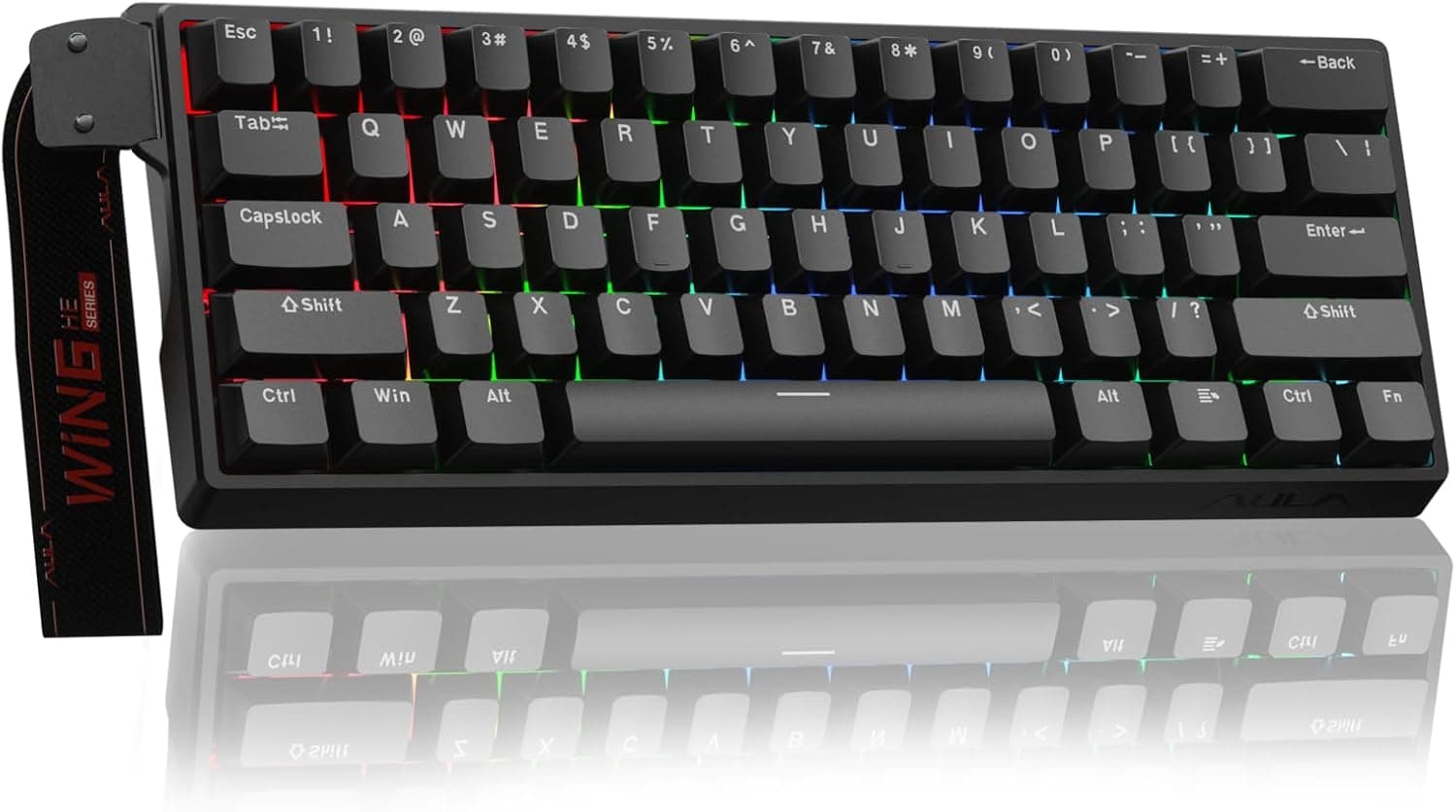
Best Budget Hall Effect Keyboards in 2026 (Under $50)
Discover the best budget Hall Effect keyboards under fifty dollars in 2026. Read our honest, in depth analysis of performance, build quality, and software features of the top six magnetic switch boards.

Best Gaming Laptops at Every Budget $900 to $3000 for 2026 Guide
Buying a gaming laptop in 2026 is an absolute minefield. We review the six absolute best gaming laptops from Acer, Lenovo, Alienware, ASUS, and MSI spanning budget to enthusiast tiers.
Best PC Games for 8GB RAM in 2026 (Low Spec PCs)
Is 8GB of RAM enough for gaming in 2026? Discover the best PC games that run smoothly on 8GB RAM rigs, from indie masterpieces to optimized AAA titles and competitive shooters.